 By admin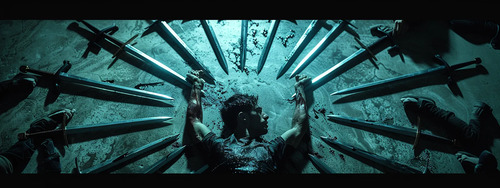
The Ten of Swords is one of the most striking and evocative cards in the tarot deck. With its dramatic image of ten swords piercing a figure, it’s no surprise that this card is often met with apprehension. The symbolism of the Ten of Swords is rich with meaning, conveying messages of completion, betrayal, and the need to face harsh realities.
No one relishes the thought of painful endings, yet they are an inevitable part of life. The Ten of Swords speaks directly to these moments—the closures and conclusions that carry a sting. The imagery strongly suggests not just an ending but a forceful and definitive one, signaling that something in the querent’s life can no longer continue as it has been.
In many readings, this card can indicate that the individual has hit rock bottom, an essential but humbling place from which they can finally look upwards. The swords that cover the figure are a reminder that it is often our own thoughts and beliefs that keep us pinned down, rather than external circumstances alone. By recognizing this, one can start the process of removing those “swords” and healing.
While the card can represent external sources of pain such as betrayal or loss, it typically points to the querent’s inner world. It may suggest the need to confront self-deception, harsh truths, or the acceptance of responsibility for one’s place in their own demise.
Despite its dark imagery, the Ten of Swords doesn’t leave the querent without guidance. It encourages embracing the truth, however piercing, as a necessary step before moving forward. Without recognizing the finality of a situation, one cannot properly grieve, heal, and eventually find peace.
To those familiar with tarot, the Ten of Swords often echoes the sentiment, ‘it’s always darkest before the dawn.’ Despite its ominous presence, it holds a paradoxical promise of closure and the possibility of new beginnings. It encourages the acceptance of what has transpired, providing a kind of morbid liberation from a cycle that one is now free to leave behind.
This card can represent the finality required to close the book on a particular life chapter. It prods the querent to acknowledge the endings, to mourn them, and ultimately to let them go. This acceptance is the first step toward healing and opening up space for new energy and experiences to come into their life.
Often, the message of the Ten of Swords is about resilience and the human capacity to rise from the ashes. It can serve as a catalyst for transformation, inspiring individuals to see their struggles as a prelude to a stronger sense of self and a clearer direction.
True closure often begins with an understanding that, although we cannot change the past, we can choose the narrative we carry forward. The Ten of Swords embodies the pain but also the potential that lies within endings—ushering in new paths once its lessons are acknowledged and integrated.
The Ten of Swords is not confined to one single meaning; its interpretation can greatly vary across different tarot traditions and readings. In some cases, its significance may be inspired by specific cultural or mythical contexts, adding layers to the card’s traditional symbolism.
In contemporary decks, artists and tarot creators sometimes choose to depict the Ten of Swords with less dire imagery, reorienting its focus towards the liberation and renewal aspects rather than on the pain of the apparent ending. These visual reinterpretations can influence how readers and querents interact with the card’s energy and messages.
Esoteric systems like the Kabbalah or astrology can also impart varying shades of interpretation to the Ten of Swords. By considering planetary alignments or sefirotic associations, a reader may gain a more nuanced understanding of the card’s place within a greater cosmic framework.
Regardless of the tradition, the Ten of Swords challenges both tarot readers and those seeking guidance to embrace complexity. It serves as a reminder that multifaceted experiences require multifaceted readings, where every ending is a prelude to a fresh start.
Overall, the Ten of Swords embodies the universal truths of conclusion and renewal. While initially it may seem foreboding, its essence is deeply intertwined with the human journey toward understanding, healing, and eventually, rebirth. Through the acceptance of our darkest moments, we carve out the space needed for new life to take root, and in that sense, the Ten of Swords is as much a symbol of hope as it is of despair.